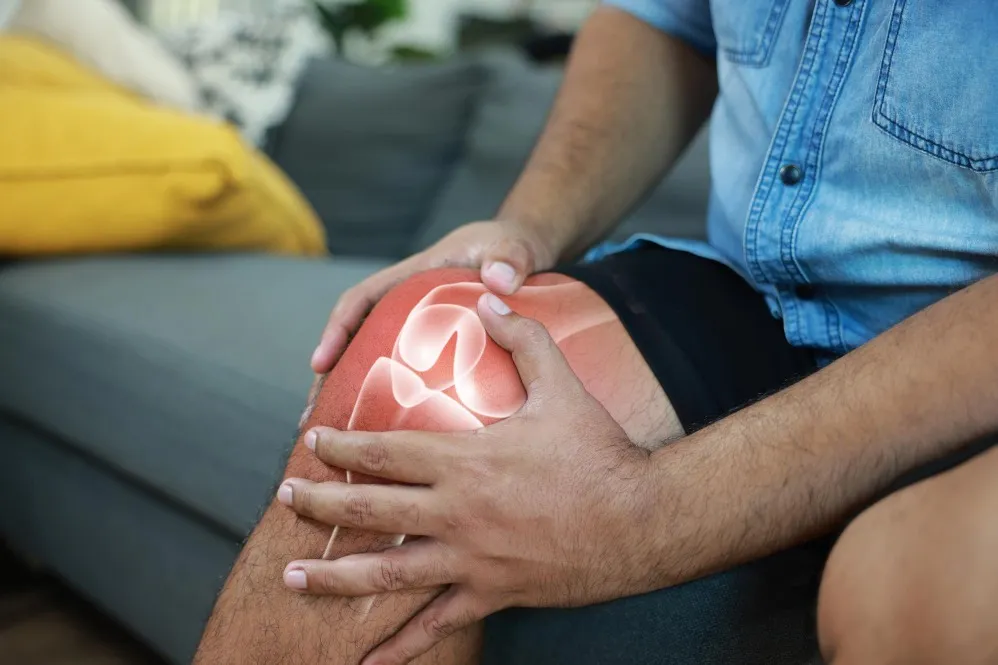
A meniscus tear can cause knee pain, swelling, catching, plus difficulty bending the joint. Yet the phrase meniscus tear covers many different injury patterns. Some tears may improve with conservative treatment, while selected tears may be suitable for surgical repair.
Patients researching meniscus repair surgeries in Parel should understand why preserving healthy meniscus tissue can be important.
What Is the Meniscus?
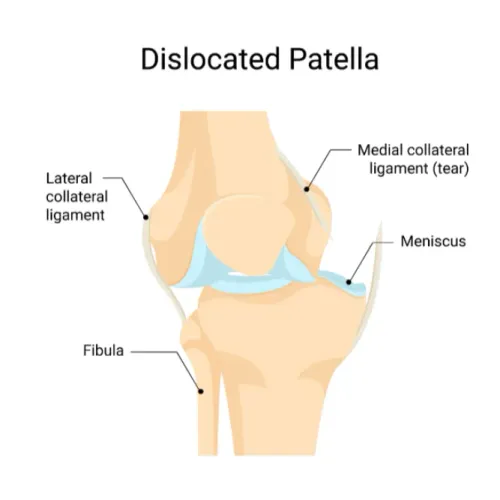
Each knee contains meniscus tissue that contributes to load distribution, shock absorption, joint stability, plus smooth movement.
Because the meniscus performs an important mechanical role, modern treatment generally aims to preserve useful tissue whenever clinically feasible.
Whether a tear can be repaired depends on several factors rather than tear size alone.
Factors That Influence Treatment
Doctors consider
- Tear location
- Tear pattern
- Tissue quality
- Patient age
- Activity level
- Duration since injury
- Associated ligament damage
- Mechanical symptoms
- Overall knee condition
Blood supply differs across regions of the meniscus. Tears in areas with better blood flow may have greater healing potential after repair.
Certain complex or degenerative tears may have lower repair potential.
When Can Non-Surgical Treatment Help?
Not every meniscus tear requires an operation.
Small or stable tears without significant mechanical symptoms may sometimes be managed with activity modification, medication, plus physiotherapy.
Rehabilitation can focus on restoring movement, reducing swelling, plus strengthening muscles around the knee.
The decision depends on whether symptoms improve plus whether the knee remains functionally stable.
When Is Arthroscopic Repair Considered?
Repair may be considered when the tear pattern, location, tissue quality, plus patient profile suggest meaningful healing potential.
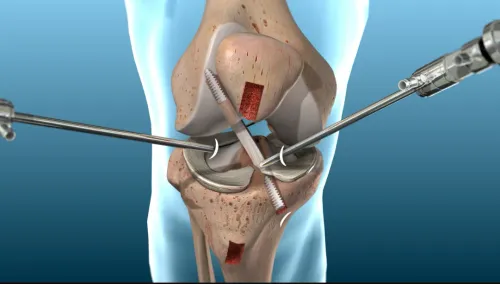
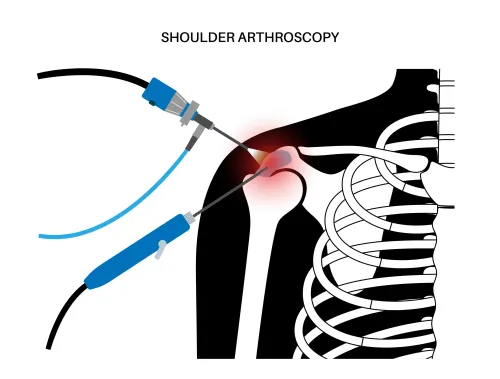
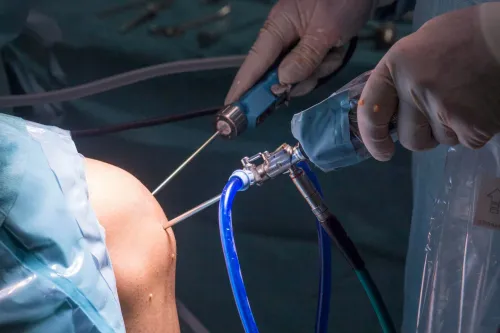
During arthroscopy, a camera allows the surgeon to inspect the tear directly. Specialized techniques can then stabilize suitable meniscus tissue using sutures or fixation devices.
Repair differs from removing damaged tissue because the objective is to preserve the meniscus.
Recovery After Repair
A repaired meniscus needs time to heal.
Patients may temporarily have restrictions on weight bearing, knee bending, plus certain exercises. These restrictions vary according to tear type plus repair technique.
Rehabilitation then progresses gradually toward full movement, strength, balance, plus functional activity.
A common mistake is assuming that small arthroscopic incisions mean immediate unrestricted activity. The skin openings may be small, but repaired tissue inside the knee still requires biological healing.
Questions Worth Asking
Before deciding on surgery, patients can ask
- Where exactly is the tear?
- Is repair technically possible?
- What happens if the tear is treated without surgery?
- How long will movement restrictions last?
- When can work activities resume?
- What rehabilitation will be required?
- When can sports participation restart?
Clear answers make it easier to plan treatment around work plus lifestyle responsibilities.
Why Meniscus Preservation Matters
Removing damaged tissue may sometimes be necessary when repair is not feasible. However, preserving functional meniscus tissue is valuable because it contributes to load distribution across the knee.
Dr. Shreya Joshi evaluates meniscus injuries based on symptoms, examination findings, MRI results, tear characteristics, plus patient activity requirements. For people considering meniscus repair surgery in Parel, Maharashtra, careful assessment helps determine whether repair, rehabilitation, plus another treatment strategy is appropriate.
The presence of a tear does not automatically determine the treatment. Understanding its type, location, healing potential, plus effect on knee function is far more useful when making a treatment decision.
Keywords